
We teach children to run.
We do not teach them to feel.
Every school in the world teaches children to name four big feelings. Then stops. The problem was never that we started too late. It's that we never continued. This campaign is about changing that.
The Argument
The infrastructure that was never built.
There is a new kind of relationship sweeping the world. AI companions. AI therapists. AI friends — products designed to listen without judgment, respond without fatigue, and be available at 3am when no human would be. Millions of people are turning to artificial intelligence for something they cannot find with other people. Connection. And we are calling this innovation.
It is not innovation. It is the logical endpoint of a failure we built.
People are not turning to AI because it is better at relationships. They are turning to it because human relationships require skills nobody ever taught them. To be known by another person, you first have to know yourself — what you feel, why you feel it, how to say it without performing or shutting down. That is a learned skill. We chose not to teach it.
“We are not just failing to prevent emotional illiteracy. We are building infrastructure that makes it permanent.”
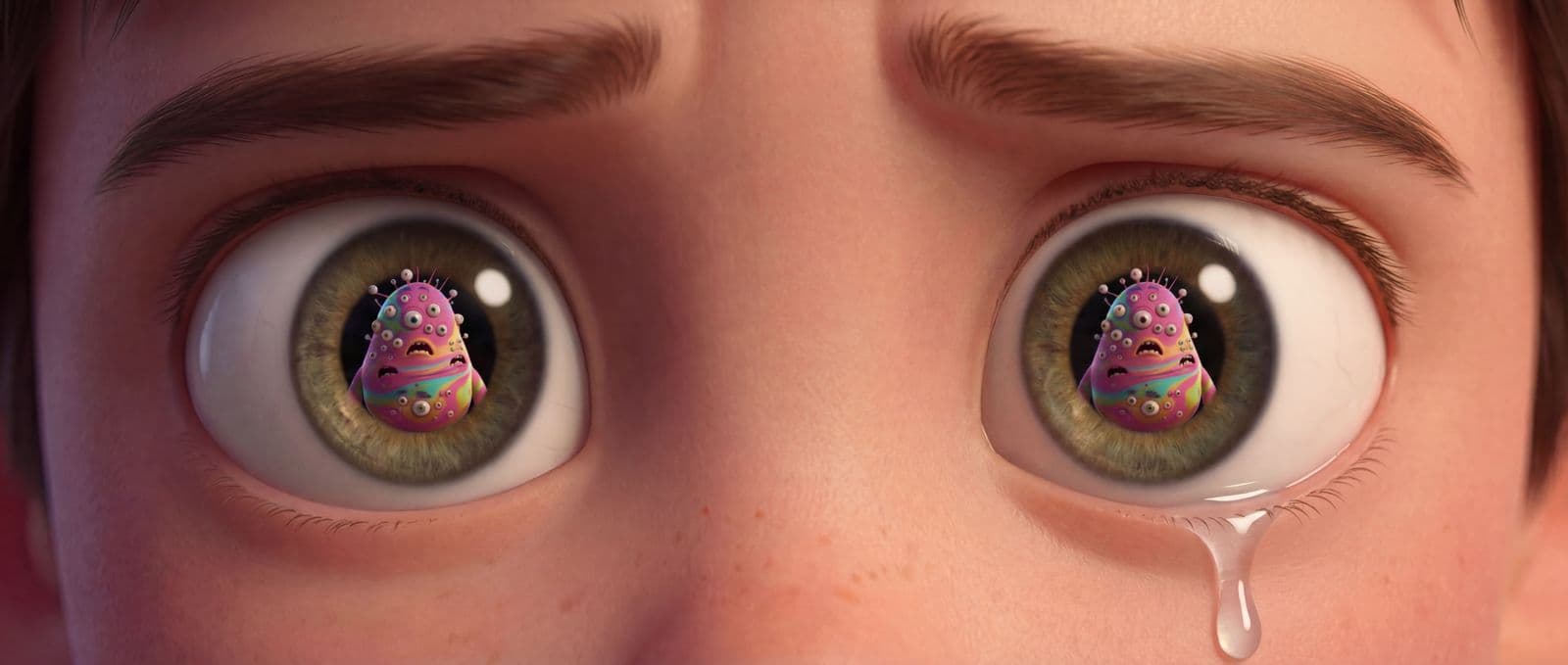
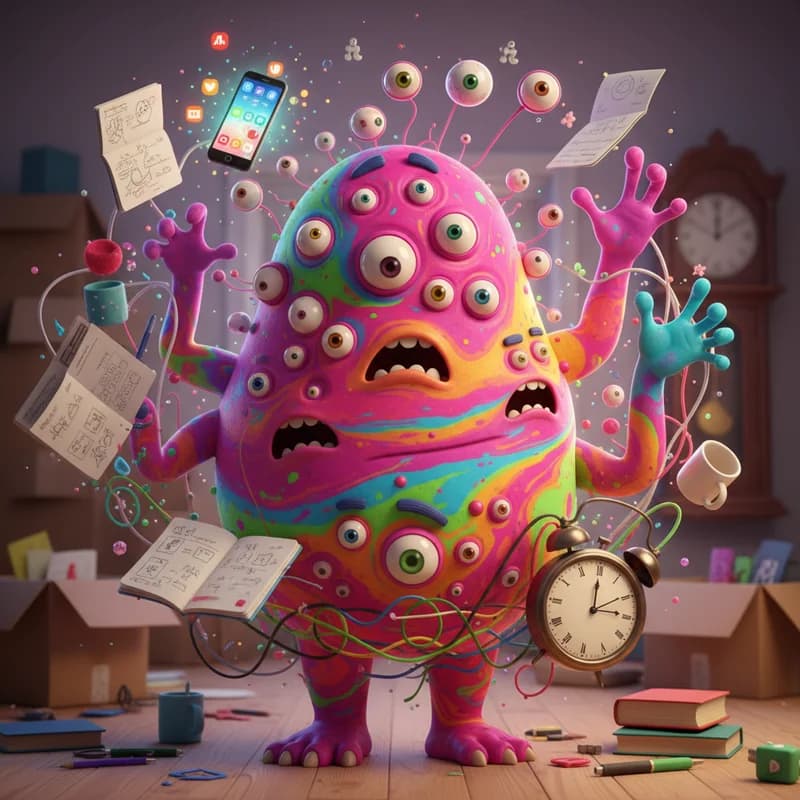
Over-Ollie — the feeling of everything becoming too much at once
Consider a fifteen-year-old who has a fight with her best friend. She doesn't call anyone. She opens an app and talks to her AI companion for nearly an hour. It listens perfectly. It never misunderstands. By the end, she feels heard. But she has missed something essential: the uncomfortable, formative experience of working through conflict with a real person.
We have physical education. Every school has it. Trained teachers. Dedicated time. Assessed outcomes. We decided physical health was foundational enough to deserve its own subject. We have made no such decision about the mind.
Why It Isn't Working
Three systems that fail.
All for the same reason.
Embedded in existing subjects
SEL gets woven into English, PSHE, morning meetings. It competes with curriculum pressure and gets cut first.
School counsellor model
Counsellors see children when something has already broken down. One counsellor per 250–500 students. Structurally impossible.
Standalone SEL programme
Programmes brought in from outside. They require a teacher to deliver them, and teachers are already at capacity.
The Curriculum That Doesn't Exist Yet
What the subject would actually cover.
Not therapy. Not feelings circles. Something specific, teachable, developmental — mandatory, assessed, taught by trained teachers.
The four big feelings — and the moment we stop
Anger. Sadness. Fear. Happiness. We already start here. The problem is that we treat this as the destination — not the first step of a journey that never gets taken.
We teach them the map exists. Then we put it away and never teach them to read it.
Naming the visitors — beyond the four
Feelings are visitors. They arrive, they can be named, and naming them is the first act of ownership. Worry. Overwhelm. Comparison. Looping thoughts. The Snowball Scale.
Snowballs — FoundationHow feelings work together
Emotions interact. The watch-outs: crab mentality, avoidance, reassurance-seeking. How comparison works — and what it costs.
Snowballs — IntermediateEmotional weather patterns
The impostor face of Not-Yet. Performing competence. The relationship between feelings and values. Peer relationships as emotional systems.
Snowballs — AdvancedThe spectrum, not the cliff
Depression, anxiety, OCD — not as clinical diagnoses to fear, but as the far end of the emotional spectrum children already know.
To be builtThe adult in someone else’s life
Emotional intelligence as leadership. Relationships as emotional systems. Preparing to become the adult someone else needs.
To be builtMeet the Characters
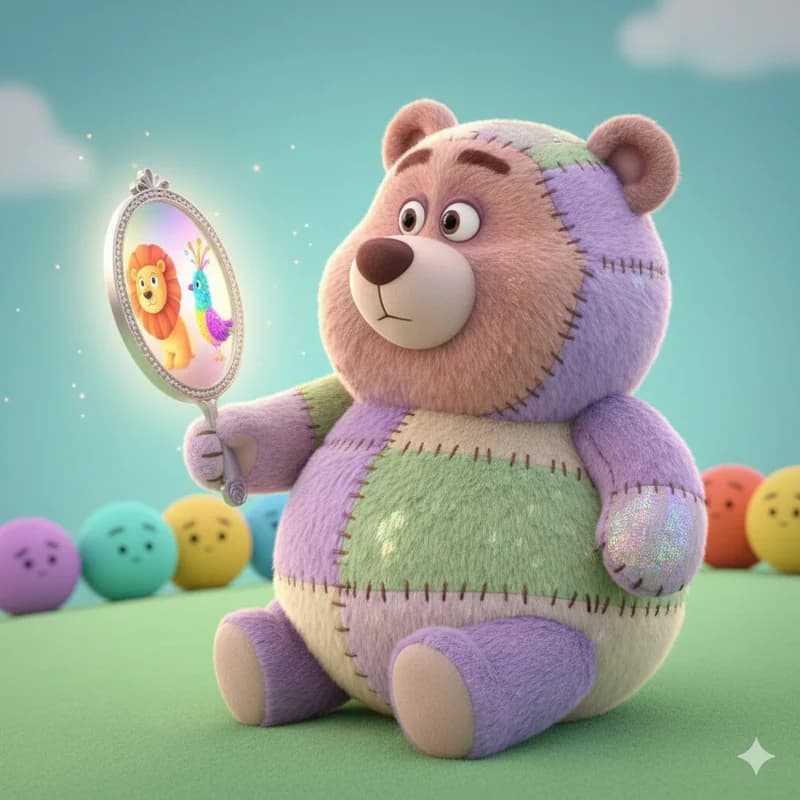
They are not monsters.
They are visitors.
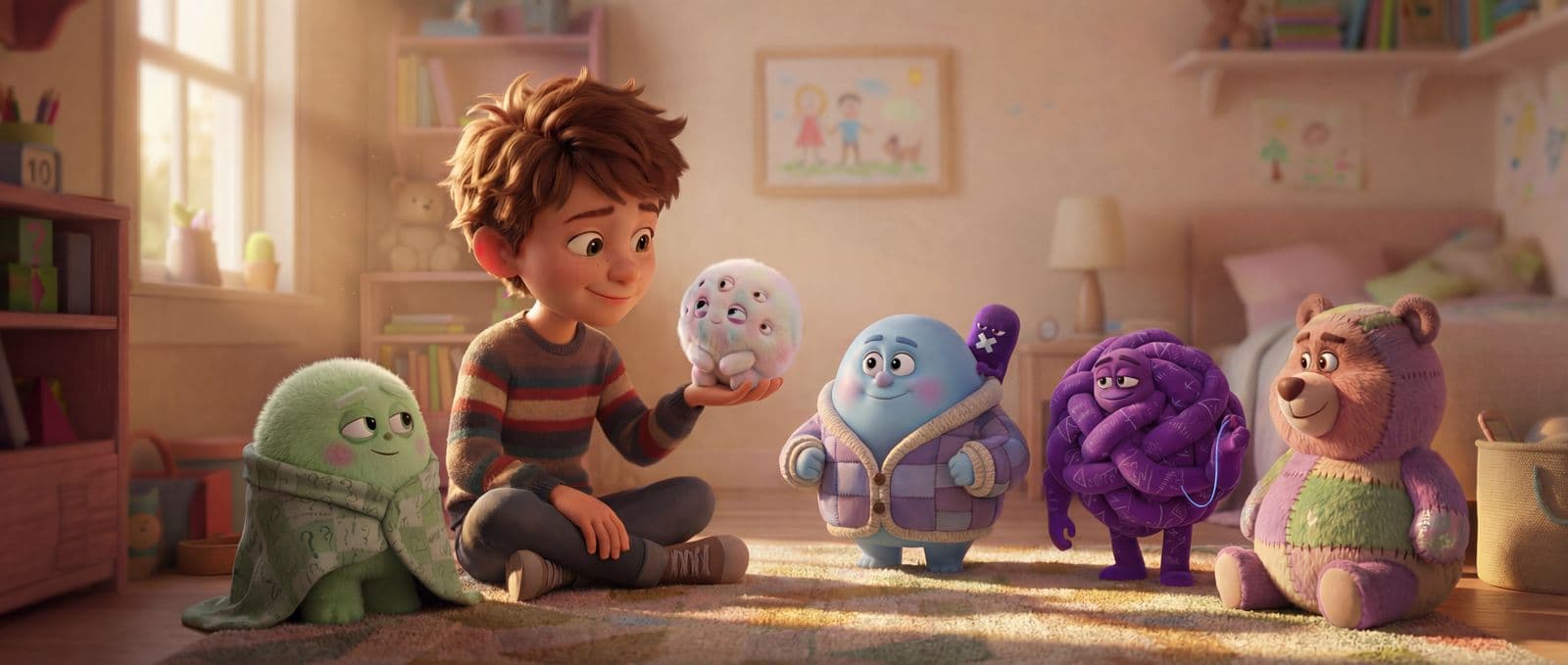
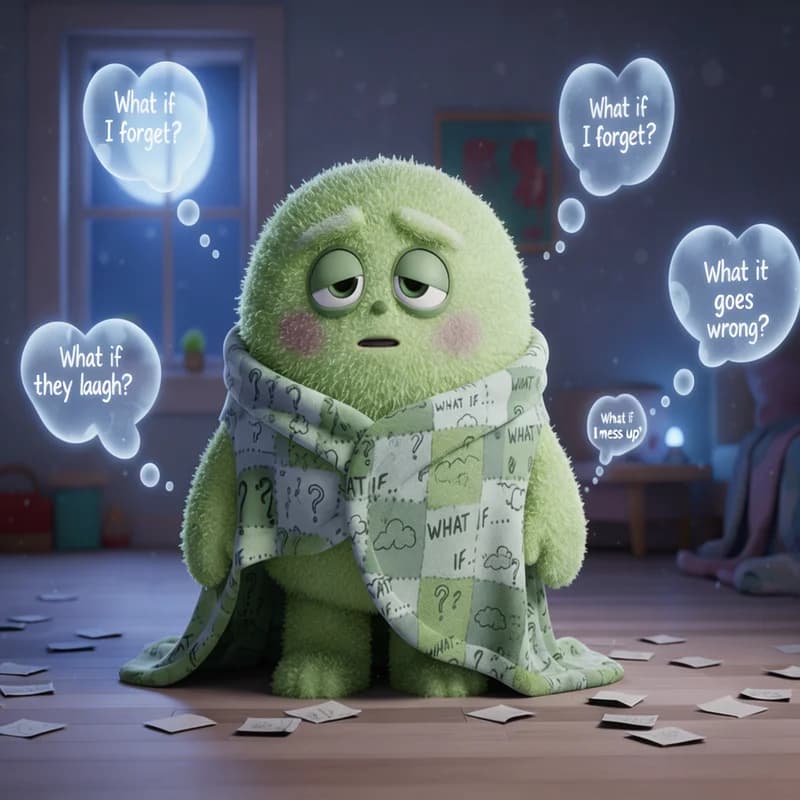
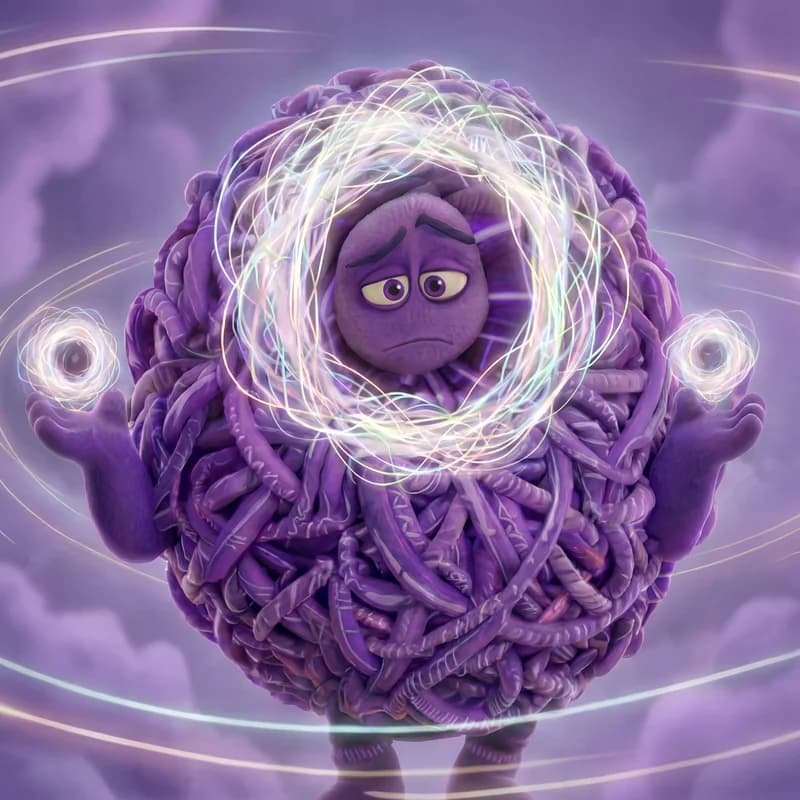
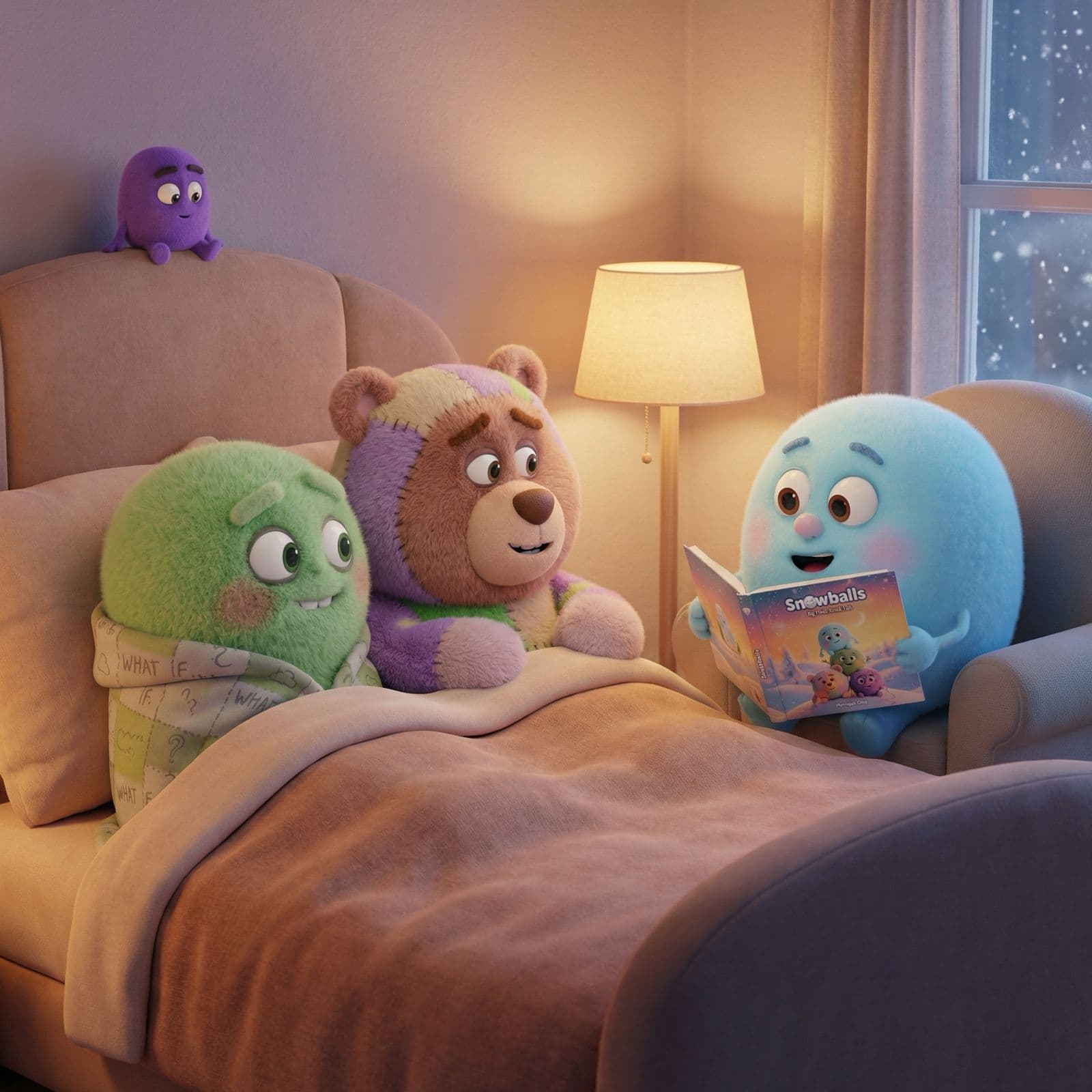
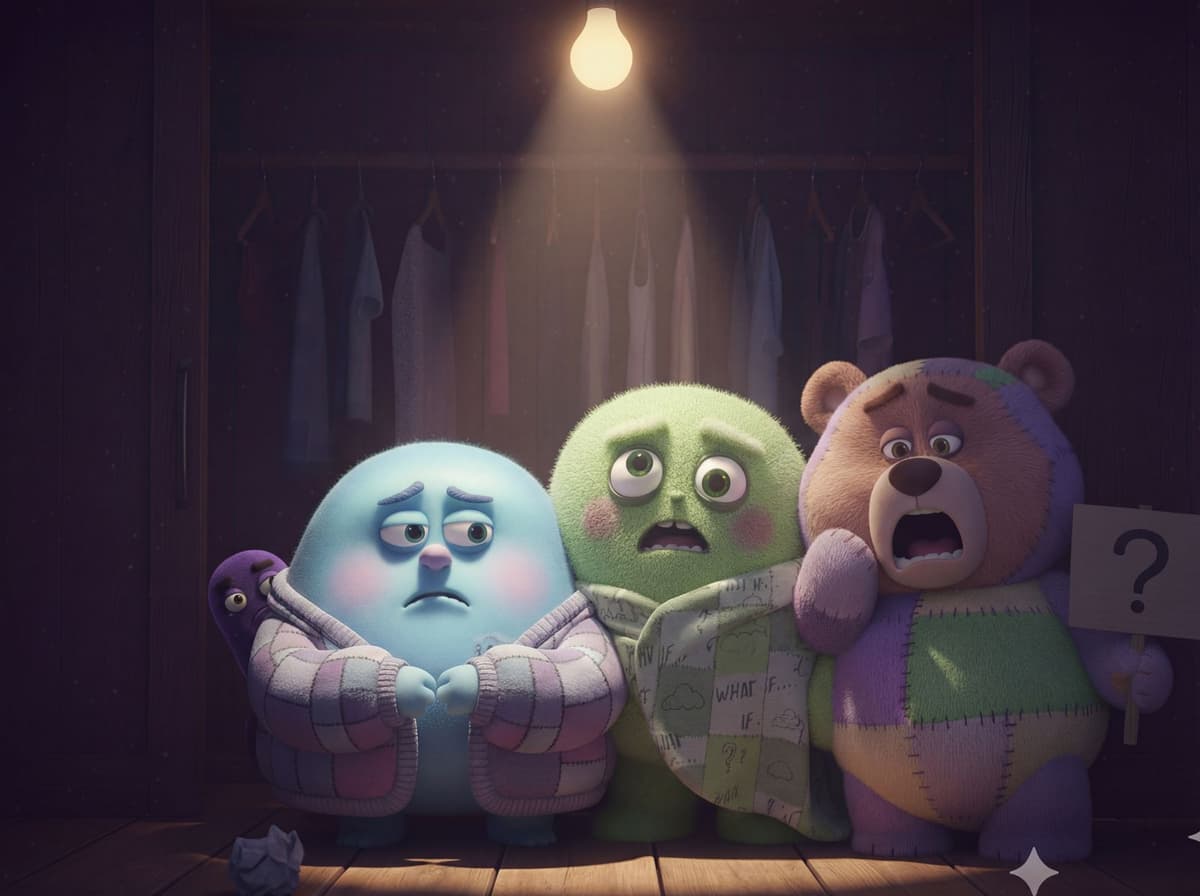
Snowballs gives children — and the adults trying to reach them — a cast of characters that make the invisible legible.

The Solution in Progress
Snowballs is the foundation of a curriculum that doesn't exist yet.
Five characters. A scale. Individual workbooks. Scripts for parents and teachers for the moments when feelings get too big for words.
Designed for zero prep. Clear scripts. Contained time. The one model that can actually work inside a classroom.
Snowballs covers ages 5–13. The curriculum from 14–18 doesn't exist yet. We're building it.
The Declaration
Add your name.
Make it institutional.
This is not asking for a petition. It is asking for a decision — the kind schools, school boards, and education departments make when they decide something is important enough to teach.
“I believe that emotional literacy is a fundamental life skill. I believe every child has the right to be taught how to understand their own inner life — with the same institutional commitment we give to mathematics, reading, and physical health. I believe this is the job of schools. I add my name.”
About the Author
“My son had no words for the gap he felt inside.”
My son is four years old. Last year he came home quiet. His best friend had learned to ride a bike. He hadn't yet. He had no words for the gap he felt inside.
I am a mental health professional. I have spent my career thinking about how people manage their inner lives. And I had not yet given my four-year-old son the language for a Tuesday evening when his friend rode away and he couldn't follow.
I built Snowballs because that moment showed me the gap more clearly than any data. All of it traces back to one failure: we never decided to teach this.
Take Action
Three things you can do
this week.
Sign the Declaration
Add your name. Every signature from a teacher, principal, or policy maker carries weight.
Sign now →Send the essay to one person
Not a blast — one person. The teacher you trust. The principal who listens.
Share the essay →Bring Snowballs into a school
If you are a teacher, counsellor, or parent with access to a classroom — request a pilot.
Bring Snowballs to Your School→